

Democratic Presidential Nominee 2028
44 outcomes·4.0 pt gap
 Poly
Poly Kalshi
 Alexandria Ocasio-Cortez▲0.817.5¢13.5¢
 Jon Ossoff▲1.215.4¢15.5¢
 Gavin Newsom▼1.814.5¢14.5¢
Buy YES on one venue and NO on the other for under $1 combined and the pair returns $1 however the event resolves. Below the scanner, every market we track is priced on both Polymarket and Kalshi so you can see which one is cheaper before you buy.
 RepublicanWhich Party Wins the 2028 ElectionDemocraticWhich Party Wins the 2028 Election
 Jordan LoveNFL MVPAlexandria Ocasio-CortezDemocratic Presidential Nominee 2028
 Andy BeshearDemocratic Presidential Nominee 2028
Verify the resolution criteria on both venues before trading. The two write their rules independently, and a market that settles differently on each side turns a locked pair into a loss on both.
PolyKalshiDemocraticWhich Party Wins the 2028 Election65.0¢58.5¢RepublicanWhich Party Wins the 2028 Election34.5¢40.5¢Alexandria Ocasio-Cortez▲0.8Democratic Presidential Nominee 202817.5¢13.5¢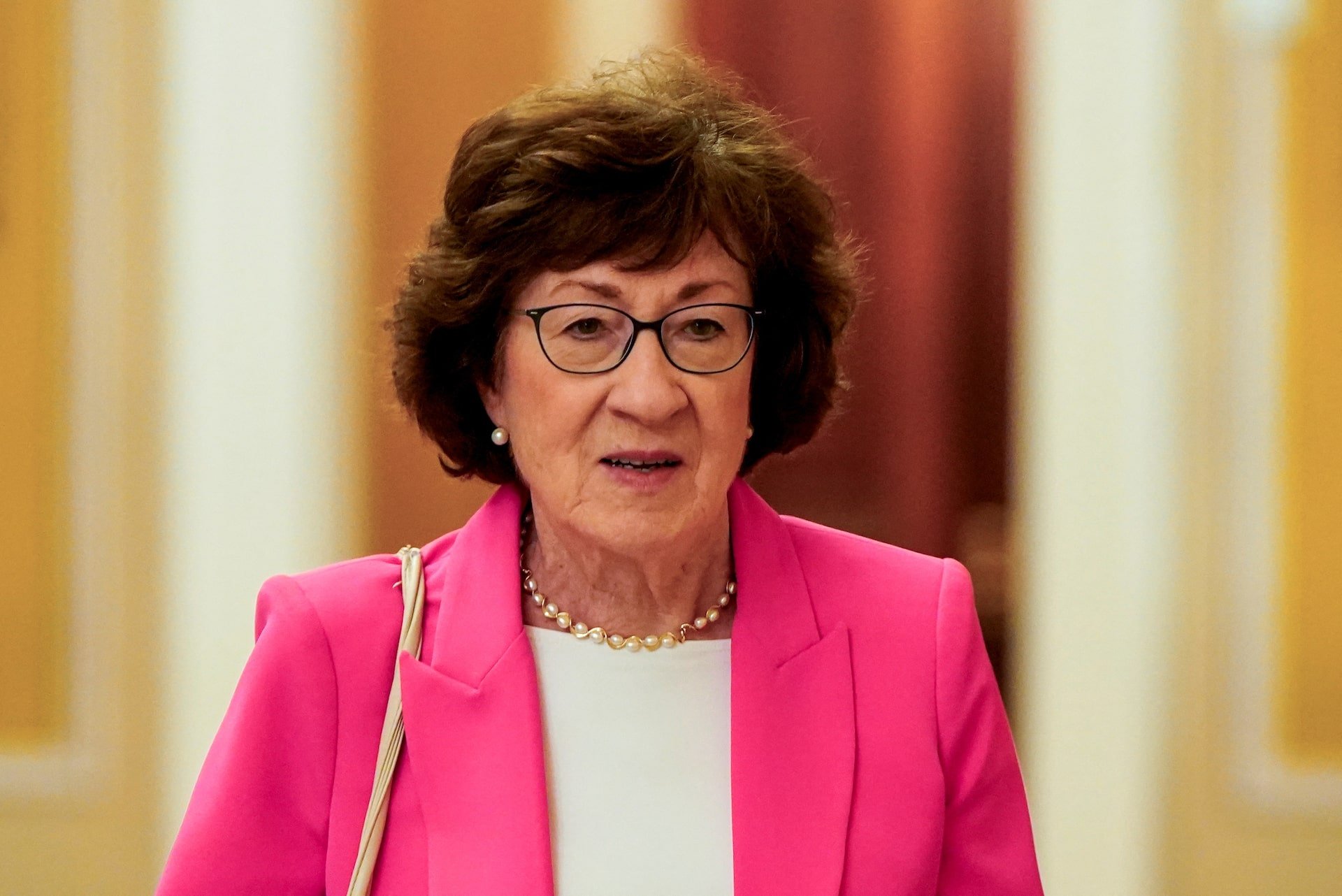 Susan Collins (R)▼1.5Maine Senate Race 202633.0¢36.5¢
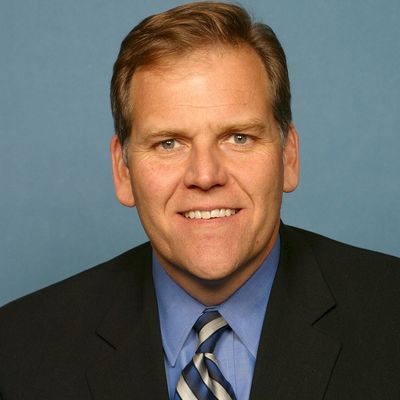 Mike Rogers (R)▼1.0Michigan Senate Race 202628.5¢31.5¢PolyKalshiAlexandria Ocasio-Cortez▲0.817.5¢13.5¢Jon Ossoff▲1.215.4¢15.5¢Gavin Newsom▼1.814.5¢14.5¢PolyKalshi
 J.D. Vance▲0.344.0¢41.5¢
 Marco Rubio▲0.715.3¢17.5¢
 Ron DeSantis▲0.63.4¢4.9¢
 PolyKalshi
 Democratic Party92.5¢91.5¢
 Republican Party7.5¢8.8¢
 PolyKalshiDemocratic Party▲1.067.5¢67.5¢Republican Party▼2.031.5¢32.5¢
 PolyKalshiSan Francisco 49ers▼0.115.3¢16.5¢Buffalo Bills▲1.011.5¢10.5¢Kansas City Chiefs11.4¢10.5¢
 PolyKalshiHarry Kane▲0.976.4¢76.5¢Lamine Yamal▼3.115.8¢16.5¢Kylian Mbappé▲2.46.3¢7.0¢
 PolyKalshi
 PolyKalshi
 Oklahoma City Thunder▲1.023.5¢24.5¢San Antonio Spurs19.5¢20.5¢Philadelphia 76ers▲0.810.6¢10.5¢
 PolyKalshi
 PolyKalshi0 (0 bps)▼0.396.5¢94.2¢1 (25 bps)1.1¢2.6¢2 (50 bps)0.4¢0.8¢
 PolyKalshiZohran Mamdani▲2.526.5¢28.5¢Mark Carney16.0¢15.5¢Pope Leo XIV▼2.513.5¢14.5¢
Polymarket prices are last-traded probabilities; Kalshi prices are the midpoint of the best bid and ask, shown as a bid–ask range where that book is too wide to compare. Arbitrage rows price both legs at the ask. Prices move fast — always confirm on the venue before trading.
Every contract on Polymarket and Kalshi settles at $1 if the event happens and $0 if it does not. YES and NO are therefore two halves of the same dollar: buy both and you are guaranteed exactly $1 back. The trade only makes sense if the two halves cost less than a dollar together, which happens when the venues disagree.
Take a real shape from this scanner. If Kalshi offers YES at 46¢ and Polymarket's book means NO costs 48.8¢, the pair costs 94.8¢ and returns $1 — a gross return locked the moment both legs fill. Fees take a bite out of that, which is why the figures here are net.
This is a different trade from buying whichever venue is cheaper. That is price shopping: useful if you already have a view, but you still lose when the event goes the other way. Arbitrage has no view at all — you hold both sides and collect the difference. Full mechanics are in our guide to arbitraging prediction markets.
In the scanner, cost is what both legs together take out of your pocket with fees included — anything under 100¢ is an edge. Return is the profit on that committed capital, and annualised scales it to a year, since capital is locked until the market resolves.
In the comparison below, each row is one outcome priced on both venues in cents, where 52.0¢ means a 52% implied chance. The cheaper cell is outlined in that venue's colour. A blank difference means Kalshi's bid–ask is wider than five points, and a midpoint from a book that thin would invent a disagreement rather than report one. New to the mechanics? How prediction markets work starts from the beginning.
Execution risk is the big one. An arbitrage is only locked once both legs fill. Get one and miss the other and you are holding a directional position you never wanted, at a price you chose for reasons that no longer apply. On thin books this is the normal outcome, not the exception.
Resolution risk is the one that actually costs people money. The two venues write their rules separately, and a question that reads identically can settle differently — different sources, different cutoff times, different treatment of an ambiguous outcome. When that happens you do not break even, you lose both legs.
Fees are deducted using Kalshi's published formula and Polymarket's taker rate; both are detailed in our Kalshi fees explainer and Polymarket fees explainer.
A contract settles at $1. Buy YES on one venue and NO on the other for less than $1 combined and the pair returns $1 whichever way the event goes — the difference is yours regardless of the result. That is different from simply buying the cheaper side, which still leaves you exposed to being wrong.
Yes. Kalshi's published fee of 0.07 × P × (1−P) per contract and Polymarket's taker fee are both deducted first. Polymarket's is applied at the top of its 0.75–1.80% range, so these numbers lean conservative rather than flattering.
Because your money is committed until the market resolves. Three percent over two weeks is a completely different proposition from three percent held until an election two years out. The APY column scales the return to a year so the two are comparable.
Three things. One leg fills and the other does not, leaving you holding a directional bet. The price moves between seeing it here and trading it. Or the two venues word their resolution rules differently and settle the same event opposite ways — that turns a locked trade into a loss on both sides. Read both rulebooks before you commit.
Separate order books, different user bases, different money. Polymarket settles in USDC on Polygon; Kalshi settles in US dollars and pays about 4% on idle cash. Nothing forces the two books to agree, so prices drift until someone trades the gap away. See the full Polymarket vs Kalshi comparison.
Every ten minutes, and the page refreshes itself while you have it open. Books move continuously — confirm on the venue before you trade.
For arbitrage, yes — both legs have to be held at once, so capital has to sit on each side. For simple price shopping one account is enough. Sign-up details are on our offers page.
Compare the venues in our head-to-head breakdown, read the full Polymarket and Kalshi reviews, or see the best prediction market apps.